Add Row
Add Element
Exciting games on various electronic devices for ultimate entertainment.
update
Electronic Passion
update
Add Element
  • Home
  • Categories
    • Smartphones
    • Laptops & Tablets
    • Wireless Earbuds & Headphones
    • PC and Video Game Consloes
    • Smart TVs & Streaming Devices
    • Chargers & Charging Cables
    • Power Banks & Portable Chargers
    • Bluetooth Speakers
    • Computer Peripherals
    • Car Electronics
    • Home Automation Devices
    • PC and Console Video Game News
    • Video Game Movies
    • New and Old electronics news
    • Electronics Deals
May 27.2025
3 Minutes Read

Sony WH-1000XM6 vs JBL Tour One M3: Who Reigns as Noise-Canceling Champion?

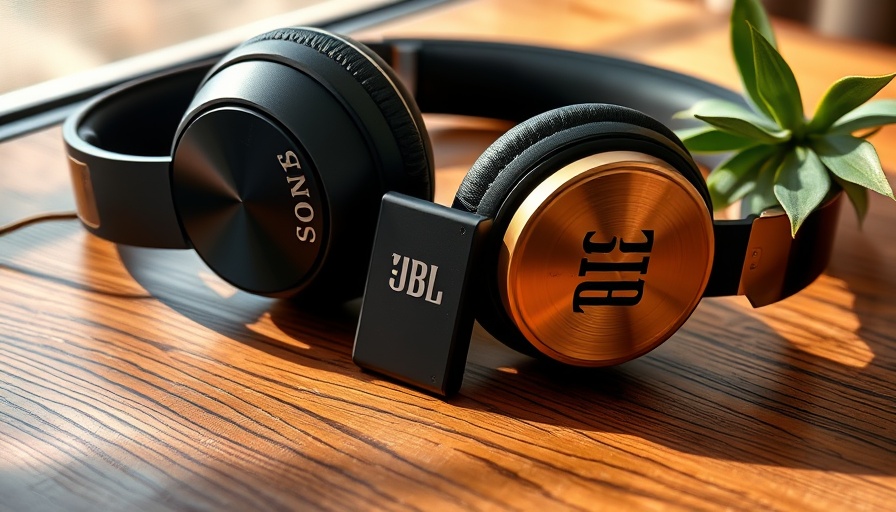
Sony WH-1000XM6 vs JBL Tour One M3 headphones on wooden background.

Setting the Stage: The Rise of Premium Noise-Canceling Headphones

In a world increasingly buzzing with noise, the demand for premium noise-canceling headphones has soared. Consumers seek not only superior sound quality but also advanced features that enhance usability and flexibility. Sony and JBL are two corporations at the forefront of this evolving landscape, each presenting unique offerings tailored to users' preferences. Enter the Sony WH-1000XM6 and the JBL Tour One M3 — both contenders that benchmark what flagship ANC models should embody.

Comparative Analysis: Sony WH-1000XM6 vs. JBL Tour One M3

At first glance, both headphones bring significant strengths to the table, yet their approaches differ. The Sony WH-1000XM6, priced at $449.99, continues Sony's legacy of excellence in ANC technology. It features impressive sound quality and device compatibility, making it appealing for audiophiles. However, users might find the absence of USB listening and ingress protection disappointing, given its high price point.

On the other hand, the JBL Tour One M3, competitively priced at $399.95, embraces cutting-edge innovations. The flagship headphones boast lossless audio over USB, an enticing feature for those who crave uncompromised audio fidelity. Moreover, the inclusion of the SMART Tx transmitter adds a layer of versatility that allows audio sharing with various devices, though it may require some users to tinker for optimal audio performance.

Contextualizing Features: What Sets Them Apart

Distinguishing factors beyond just technical specifications often determine the buyer's decision. For instance, comfort is paramount for users planning extended wear—something both brands consider. The Sony WH-1000XM6, while not adjustable, promises a snug fit with high-quality materials designed for long listening sessions. Meanwhile, the JBL Tour One M3 offers plush pads and a fold-flat design that's travel-friendly, though those with smaller head sizes might find the fit less secure.

The contrast continues with their controls. The Sony model favors intuitive physical buttons, allowing easy access without fumbling, while the JBL opts for a response-heavy touch control system that may take some adjustment.

Emotional Appeal: Choosing Based on User Experience

The emotional connection consumers develop with products often influences purchasing decisions. The Sony WH-1000XM6 is often regarded as a reliable choice for those who value tried-and-true designs complemented by minor upgrades. Users find comfort in the familiarity and strong reputation of Sony's noise cancellation technology.

Conversely, JBL's Tour One M3 offers a fresh perspective, appealing to tech-savvy individuals unafraid to explore the latest features. The excitement over advanced functionalities and design choices creates an allure that cannot be ignored. This differentiation calls to those who wish to stay ahead in the technology curve, possibly swaying users looking for an investment in the future of sound.

Future Insights: Evolution of Noise-Canceling Technology

The trajectory of noise-canceling headphones suggests that advancements like lossless audio and improved usability will not just become standard; they may redefine the marketplace entirely. As leading companies like Sony and JBL continue competing, consumers can expect ongoing innovation that addresses both sound quality and seamless connectivity across devices.

Furthermore, as brands integrate features like multipoint Bluetooth connectivity and enhanced voice assistant capabilities, the user experience will become richer and more dynamic, affirming the notion that the future of audio might very well lie in personalized sound.

Making the Choice: Which One is Right for You?

In searching for the ideal headphones, it's crucial to assess your priorities. Whether valuing sound quality, advanced features, or comfort, weighing these factors against the distinct advantages each model offers will guide your final decision. Will you lean into tradition with Sony, or embrace innovation with JBL? In the end, both options promise a powerful auditory experience designed to drown out the noise of the modern world.

As you weigh your options, consider what aspects of functionality resonate most with your day-to-day routine. Each model enhances life’s sonic moments—so choose wisely to suit your lifestyle and personal soundscape.

Wireless Earbuds & Headphones

4 Views

0 Comments

Write A Comment

*
*
Related Posts All Posts
02.19.2026

Discover Flow Tuner: Customize Your Deezer Playlist Effortlessly

Update Introducing Flow Tuner: A Game-Changer in Music Streaming In a bold move to enhance user experience, Deezer has introduced Flow Tuner, a feature that revolutionizes the way listeners engage with their personalized audio playlists. This innovation allows users to take command of what they listen to by tuning specific genres in their Flow playlists. As music streaming becomes a driving force in how we consume audio content, features like Flow Tuner reflect the growing demand for customization in the digital music landscape. Why Personalization Matters in Music Streaming In the modern era of streaming, personalization is no longer just a luxury; it’s an expectation. Deezer's Flow Tuner taps into this trend, ensuring that listeners can craft their listening experience based on real-time preferences rather than passively accepting algorithm-driven recommendations. This empowerment allows users to explore different genres, including niche categories such as Balkan Folk and Metalcore, which highlight the service’s commitment to diversity in music. Real-Time Adjustments: The Mechanics Behind Flow Tuner Flow Tuner represents a significant shift in the traditional recommendation model. Unlike previous systems that relied on likes and skips, Deezer’s new feature enables immediate adjustments to the algorithm. Users can toggle genres with a simple action rather than navigating through complex menus. Marin Lorant, Deezer's Head of Product, emphasized that this feature aims to remove the "black box" nature of algorithms, putting control back into the hands of consumers who want to dictate their audio journey. The Importance of User Feedback and Bug Resolution Since its rollout, some users have reported sporadic issues with Flow Tuner's functionality, particularly on desktop platforms. Deezer acknowledges these challenges and is actively working on resolutions. The service has reassured users that they can still access tailored content directly from the homepage carousel. This level of transparency in addressing bugs is crucial for user trust and encourages engagement with new features. Comparisons with Competing Services: Keeping Up with the Competition The launch of Flow Tuner comes on the heels of similar innovations from rival streaming platforms. Spotify, for example, has introduced its Prompted Playlist feature, which allows users to create playlists based on text prompts. Deezer’s approach with Flow Tuner, however, stands out by providing a more interactive and genre-specific method of curating listening experiences. This competition will likely drive continued enhancements in the music streaming space, benefitting users through richer and more engaging experiences. Future Directions for Music Streaming and AI As the music streaming landscape evolves, the integration of artificial intelligence (AI) becomes increasingly significant. Deezer strives to keep AI-generated tracks separate from user recommendations, alleviating potential concerns over the authenticity of music. The company has set a precedent in addressing the challenges posed by AI in music distribution, evidenced by its ongoing work on an AI detection tool that can identify fully AI-generated tracks. This vigilance in maintaining quality and integrity could serve as a model for the industry moving forward. Embracing Change: What This Means for Listeners The introduction of Flow Tuner underscores a pivotal moment in music consumption, where personalization is key. For listeners, this feature empowers not just the ability to choose what to hear but also promotes the discovery of new music that aligns with their tastes. As this tool continues to mature, it promises to transform how audiences interact with music streaming services, paving the way for deeper connections between users and their favorite artists. In conclusion, as music streaming platforms like Deezer enhance their algorithms and features for personalization, users are encouraged to take an active role in shaping their auditory experiences. Embrace these opportunities to explore and redefine your music experience today!

02.11.2026

Are Wearable AI Voice Recorders Worth the Hype? Exploring Their Risks and Benefits

Update AI Voice Recorders: The Rise of a New Convenience The rapid advancement of artificial intelligence has ushered in a new era of wearable technology, significantly impacting how we document and remember spoken interactions. Wearable AI voice recorders, such as the SwitchBot AI MindClip and Anker Soundcore Work, have emerged as innovative tools promising hands-free transcription, summaries, and translation. These devices are particularly useful for meetings, lectures, and casual conversation, allowing users to capture spoken content with minimal effort. The Catch: Privacy and Usability Concerns At CES 2026, the buzz around these devices highlighted their potential, but real-world applications bring more questions than answers. As emerging technologies like AI voice recorders become more entrenched in daily life, privacy concerns are top of mind. Many of these wearables rely on cloud processing to function effectively, generating worries about data security and whether users' conversations may be recorded without their informed consent. A prime example of this cloud-based dependency affecting usability is the Humane AI Pin, which faced criticism for performance and ultimately ceased operations, rendering its hardware largely useless. Alternatives to Wearables: Software Solutions For many, the flexibility of software applications like Otter.ai may outshine the advantages of wearable AI voice recorders. Unlike hardware solutions that often come with subscription fees for full functionality, apps such as Otter.ai allow users to record, transcribe, and summarize conversations using existing devices without the need for additional gadgets. The convenience of not managing another device, coupled with effective transcription capabilities, underscores a prevailing question: do we truly need wearable AI voice recorders when similar functionality is achievable through software? Understanding the Privacy Landscape As wearable devices continuously listen for commands, the line separating assistance from surveillance blurs. Researchers have found that many smart speakers and AI wearables unintentionally capture conversations at unexpected moments, prompting major legal and ethical discussions. For instance, lawsuits and regulatory body scrutiny regarding companies like Apple stem from concerns of unauthorized recordings and hidden data collection tactics. This raises fundamental questions about individual privacy rights in an era when our voices, data, and conversations are often transformed into marketing tools without clear user consent. Navigating Data Exposure: Ethical Considerations For users considering wearable AI technology, understanding permissions and data management is critical. Privacy policies can often be convoluted, leaving users unaware of the extent of their data collection. Security measures such as end-to-end encryption and user-controlled settings are essential to minimize the risks of unauthorized access. Moreover, regulations, including the General Data Protection Regulation (GDPR) in Europe, point towards a future where data privacy must be strictly monitored and respected. What Lies Ahead for Wearable AI Voice Recorders? The future of wearable AI voice recorders remains uncertain. While they hold significant promise for aiding with memory and transcription, the success of these devices will depend on how companies address privacy and usability issues. Predictions indicate that as awareness of data privacy grows, consumers will demand greater transparency and control over their information. This shift could lead to a more ethical design standard that emphasizes user security alongside innovative functionality. Conclusion: Weighing Convenience against Privacy Ultimately, whether wearables like AI voice recorders become mainstream will hinge on their ability to balance convenience with the stringent privacy needs of modern users. As these technologies evolve, staying informed and vigilant about how data is processed will be crucial for consumers. Are you prepared to embrace AI voice recorders, or will concerns about privacy and data security outweigh their potential benefits?

02.06.2026

All You Need to Know about Nothing Headphone (a): Launch Date, Colors, and Price

Update Everything We Know About the Upcoming Nothing Headphone (a) New leaks have emerged revealing critical details about the upcoming Nothing Headphone (a), promising significant advancements in aesthetic design and affordability. This new headset is set to launch in Europe on March 12, 2026, retailing at €159 (or approximately £149 in the UK), which is less than half the price of its predecessor, the Nothing Headphone (1). Color Variants: A Splash of Choices Unlike the original model that came only in black and white, the Nothing Headphone (a) will be available in a vibrant selection of colors—Pink, White, Black, and Yellow. This expanded palette targets a younger, more fashion-conscious audience who want style without breaking the bank. Significant Price Difference: What Does This Mean? The striking price drop to €159 means that consumers can expect a more budget-friendly option without sacrificing design flair. While specific technical specifications are yet to be confirmed, analysts speculate that this may lead to a reduced feature set compared to the premium offering. It remains unclear which functionalities will be omitted, but as trends in tech suggest, the emphasis on design and affordability is an attractive proposition for many consumers. The Launch Timeline: What to Expect Next As anticipation builds around the release, pre-orders will begin on March 5, 2026. This will allow early adopters a chance to reserve their headsets ahead of the official launch. The buzz surrounding this announcement closely follows the rumors surrounding Nothing's Phone 4a, making this a potential dual launch event. Given Nothing's reputation for innovative design and its previous successful releases, consumers are keen to see how it integrates with the brand's existing ecosystem. A Glance at the Market Landscape The launch of the Nothing Headphone (a) comes amid a wave of affordable audio equipment hitting the market, inviting competition from brands like JBL, Sony, and Beats, who all strive to provide budget-friendly options without compromising sound quality. As the market for wireless audio continues to expand, Nothing's entry will likely shake things up by emphasizing style and innovation at a lower price point. What’s Next? As tech enthusiasts, keep an eye on Nothing’s marketing strategy leading up to the launch. With a clear goal of reaching more adventurous consumers looking for stylish yet affordable tech gadgets, the brand is positioned well to challenge industry giants. The coming weeks will be pivotal for fans and potential buyers, as they anticipate not only the headphone details but also how it aligns with future offerings in the Nothing technology lineup. This new headset could represent a shift in consumer expectations, blending innovative design with budget considerations, capturing the hearts of tech-savvy millennials and Gen Z alike. Final Thoughts The Nothing Headphone (a)'s upcoming launch represents a significant moment in both personal audio and consumer electronics. As the date draws closer, ensure you’re tuned in for more updates, as Nothing looks to carve its place in the earbud and headphone market!

Terms of Service

Privacy Policy

Core Modal Title

Sorry, no results found

You Might Find These Articles Interesting

T
Please Check Your Email
We Will Be Following Up Shortly
*
*
*