Add Row
Add Element
Exciting games on various electronic devices for ultimate entertainment.
update
Electronic Passion
update
Add Element
  • Home
  • Categories
    • Smartphones
    • Laptops & Tablets
    • Wireless Earbuds & Headphones
    • PC and Video Game Consloes
    • Smart TVs & Streaming Devices
    • Chargers & Charging Cables
    • Power Banks & Portable Chargers
    • Bluetooth Speakers
    • Computer Peripherals
    • Car Electronics
    • Home Automation Devices
    • PC and Console Video Game News
    • Video Game Movies
    • New and Old electronics news
    • Electronics Deals
May 26.2025
3 Minutes Read

Dell's Bold Move: Why Ditching GPUs for NPUs Changes Everything

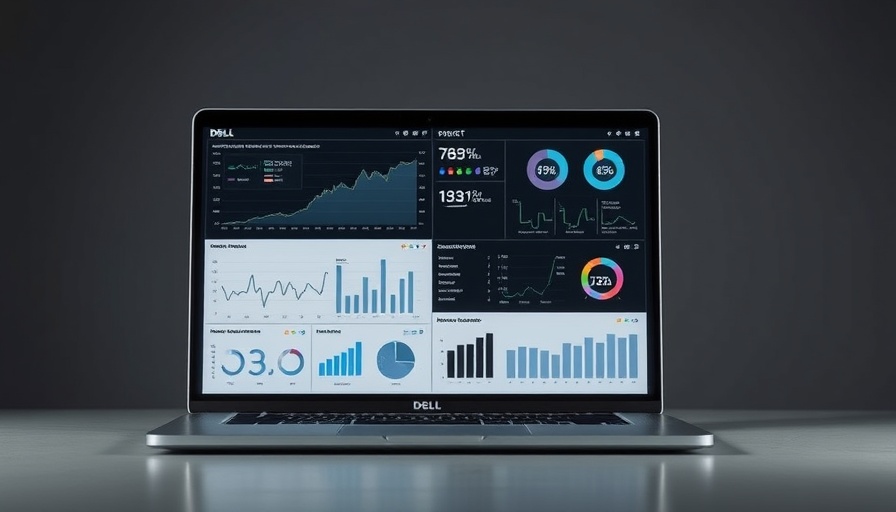
Dell laptop showing data graphs and charts, NPU feature highlighted.

Revolutionizing Mobile Workstations: The Shift from GPUs to NPUs

At Dell Technologies World 2025, a remarkable innovation was unveiled: the Dell Precision Pro Max Plus laptop, notable for its departure from traditional GPU dependence. Instead, it boldly embraces a discrete Neural Processing Unit (NPU)—a significant shift aligning with the growing focus on artificial intelligence (AI) in computing.

The Game-Changing Qualcomm AI 100 Card

The Dell Pro Max Plus harnesses the power of the Qualcomm AI 100 card, a dual-chip module that drastically enhances AI processing capabilities. This sophisticated silicon was originally intended for data centers, yet its new laptop implementation demonstrates its versatility. With 64GB of dedicated memory and 32 AI cores, it delivers approximately 450 TOPS (trillions of operations per second) for AI computations. In contrast, traditional GPUs like Nvidia's RTX series are optimized for gaming and graphics rendering rather than the primary AI workloads being increasingly utilized in modern applications.

Comparative Power: NPUs vs. GPUs

When evaluating the performance of the Pro Max Plus, it becomes evident that this NPU isn't just a novelty; it significantly outperforms competing devices. While many devices feature integrated NPUs, such as Apple’s M4 MacBook Pro with around 38 TOPS, the Dell model leads by a staggering margin. Even leading products from Intel and AMD fall short in comparison, highlighting a substantial leap in technology with the introduction of NPUs for heavy AI workloads. The trade-off in omitting the GPU may be niche for casual users, but it opens vast potential for professionals in fields like machine learning and data analysis.

AI as the Primary Workload: Why This Matters

The move towards treating AI as a primary workload signifies more than just hardware evolution; it's a cultural shift in technology. As businesses increasingly leverage AI for decision-making and automation, laptops such as the Dell Precision Pro Max Plus cater to a burgeoning market of professionals who prioritize AI capabilities over traditional graphical output. This trend could lead us to reframe the way we think about computing power, especially in a world where AI insights drive business strategies and operations.

Future Implications and Opportunities for Innovation

The implications of this shift extend beyond just one device or company. With AI increasingly integrated into products across sectors, we could see an evolution in how software is developed. Applications that once relied on GPUs may now need to adapt to leverage the superior capabilities of NPUs. This trend is likely to inspire further innovation in both hardware and software realms, signaling a bright future for companies invested in AI technology.

The Social Context: Embracing Change in Technology

Understanding the relevance of NPUs stems not only from performance metrics but also from societal needs as more industries utilize AI. By adopting technologies that prioritize AI workloads, businesses become better equipped to harness data analytics, machine learning algorithms, and automated processes that could reshape product development and customer engagement. This shift is not just for tech enthusiasts; it represents a fundamental change that could affect job roles, educational paths, and even consumer behavior as AI becomes woven into everyday experiences.

Conclusion: Preparing for an AI-Driven Future

The emergence of laptops like the Dell Precision Pro Max Plus underscores a significant transformation within the tech landscape, as the industry pivots toward AI as the focal point for future innovation. Understanding and adapting to these advancements will be crucial for anyone looking to stay ahead in a rapidly changing world. Embrace the change and explore how these developments can shape your own future in technology.

Laptops & Tablets

1 Views

0 Comments

Write A Comment

*
*
Please complete the captcha to submit your comment.
Related Posts All Posts
03.23.2026

Why the Honor MagicPad 4 is the Ultimate Portable Tablet

Update A Closer Look at the Honor MagicPad 4 The new Honor MagicPad 4 is making waves as it enters the market, touted not only for its sleek design but also as one of the most capable Android tablets available today. Unboxing this tablet reveals a blend of beauty and functionality that sets it apart from others in its class. Unboxing Experience: What’s Inside the Box? Upon opening the Honor MagicPad 4, users are greeted with a carefully designed package. Available in classic black or white, the tablet comes in multiple variants, offering options that include 12GB/256GB or 16GB/256GB configurations. Standard accessories in the box include a USB-A to USB-C cable and an impressive 66W charger. However, it’s the bonus items that could entice prospective buyers; customers in select markets will receive the MagicPad4 Smart Keyboard and the Magic Pencil 3 at no additional cost, enhancing the tablet's appeal as a versatile tool for both entertainment and productivity. A Device Built for Performance Weighing in at just 450 grams and measuring under 5 mm thick, the Honor MagicPad 4 is designed for portability without compromising on performance. Equipped with the Qualcomm Snapdragon 8 Gen 5 processor capable of reaching speeds up to 3.8GHz, this tablet is a powerhouse. The 12.3-inch OLED display, featuring a stunning 1920x3000 resolution and a remarkable 165Hz refresh rate, elevates the viewing experience to new heights. Why Thin Matters: A Comparative Overview At just 4.8 mm thick, the Honor MagicPad 4 claims the title of the world’s thinnest Android tablet, surpassing competitors like the iPad Pro and Samsung Galaxy Tab S11 series. This thin profile aids in user comfort, increasing its suitability for extended use, whether for work or leisure. The weight reduction from previous models has been achieved through engineering innovations, including the adoption of OLED technology that enhances color vibrancy and reduces weight. Multitasking Mastery: PC Mode Explained One standout feature is the tablet’s PC mode, which allows users to open apps as resizable windows. The ability to run up to 20 windows simultaneously, with the option for four apps side-by-side, speaks to its utility in a multitasking environment. This fully realized capability, especially when used with the Smart Keyboard, positions the MagicPad 4 as a viable alternative to traditional laptops. All About Sound and Connectivity The Honor MagicPad 4 is equipped with eight speakers that provide rich, spatial audio—an essential feature for those who use their devices for media consumption. Combined with easy pairing with various devices, this tablet ensures a seamless experience across platforms. In conclusion, the Honor MagicPad 4 stands as a compelling choice for tech enthusiasts and casual users alike. Its sleek design, exceptional performance specs, and thoughtful accessories make it a device worth considering for anyone in the market for a new tablet. To explore the capabilities of this innovative tablet further, consider hands-on experience at an electronics store or explore online reviews to help inform your purchasing decision.

03.21.2026

Oppo Pad Mini Specs Leak: What to Expect from This New Tablet Powerhouse

Update The Rise of the Oppo Pad Mini: A Compact PowerhouseOppo is poised to make waves in the tablet market with its latest offering, the Oppo Pad Mini. According to reports from Digital Chat Station, this smaller tablet is set to feature an 8.8-inch high-refresh rate display, making it an attractive option for both productivity and entertainment. With the increasing demand for high-quality, compact devices, the Oppo Pad Mini aims to cater to consumers looking for performance in a convenient size.Powerful Performance with Snapdragon 8 Gen 5At the heart of the Oppo Pad Mini is the powerful Snapdragon 8 Gen 5 SoC, promising top-tier performance. This chipset is expected to enhance multitasking and gaming experiences, placing the Pad Mini in direct competition with other high-end small tablets, such as the Huawei MatePad Mini. With this move, Oppo is not just entering the market; it's setting the stage for a possible game-changer.Camera Capabilities That ImpressBeyond its processing power, the Oppo Pad Mini will reportedly come equipped with a 13MP rear camera and an 8MP front camera, catering to users who appreciate quality photography and video calls. This feature positions the tablet as a versatile device, perfect for students, professionals, and creatives alike.Pricing and Launch Timeline SpeculationsWhile specific details about the launch date remain elusive, sources suggest that the Oppo Pad Mini will be priced similarly to its competitors. This competitive pricing is crucial as Oppo seeks to carve out its niche in an already saturated market. As the launch approaches, industry watchers are keen to see how Oppo plans to market and sell this intriguing device both in China and potentially worldwide.Final Thoughts: What This Means for Oppo and ConsumersThe introduction of the Oppo Pad Mini represents a significant step for the brand as it navigates the competitive landscape of tablet technology. If successful, it might not only elevate Oppo's status among technology giants but also provide consumers with more choices in the high-end tablet market. As we await further announcements regarding its release, the excitement is palpable.Stay Informed About the Latest Tech TrendsTo keep up with the latest news in the world of electronics and technology, be sure to follow reliable sources and updates on new product launches. The Oppo Pad Mini could be just the beginning of a transformative era for compact, high-performance tablets, and staying informed will help consumers make the best decisions possible.

02.03.2026

Redmi K Pad 2 and Xiaomi Pad Mini 2: The Revolutionary Specs You Need to Know

Update New Horizons for Xiaomi's Tablet Lineup Xiaomi is inching closer to releasing the highly anticipated Redmi K Pad 2 and Xiaomi Pad Mini 2, with intriguing specifications that promise to elevate the user experience. This development follows the successful launch of the original Redmi K Pad, which captivated users with its robust features and performance. Specifications and Upgrades: What to Expect According to the latest leaks, the Redmi K Pad 2 will sport an impressive 8.8-inch LCD screen, retaining the vibrant 165Hz refresh rate and a resolution of 1880x3008 pixels, akin to its predecessor. However, key upgrades are in store: the new tablet is rumored to be powered by the Dimensity 9500 SoC and come equipped with a robust 9,000 mAh battery, a significant enhancement over the original's 7,500 mAh battery. These upgrades aim to cater to the needs of multimedia enthusiasts and gamers looking for a seamless device. Sound Matters: The Bose Influence Perhaps most captivating is the potential integration of Bose speakers, harkening back to the sound quality seen in the Redmi K90 Pro Max. Enhanced symmetrical dual speakers are expected, though it's worth noting that the presence of a subwoofer is not confirmed in the current leaks. If true, this marks a significant step towards richer audio experiences in portable computing. Global Availability as the Xiaomi Pad Mini 2 Notably, the Redmi K Pad beautifully encapsulates the essence of the brand's ability to resonate across diverse markets. The K Pad 2 is poised to debut in international markets as the Xiaomi Pad Mini 2, continuing the legacy of its predecessor, which was rebranded for audiences outside China. This strategy not only expands the product’s reach but also reinforces Xiaomi’s dedication to providing high-quality tablets globally. Why Consumers Should Care The expectations surrounding the Redmi K Pad 2 hint at a remarkable leap in tablet technology within a competitive landscape. Users can anticipate an exceptional entertainment experience marked by both visual excellence and audio innovation. With features that cater to both productivity and leisure, this device seems set to meet a variety of consumer needs.

Terms of Service

Privacy Policy

Core Modal Title

Sorry, no results found

You Might Find These Articles Interesting

T
Please Check Your Email
We Will Be Following Up Shortly
*
*
*